Howdy, Partner! Welcome to the Electric Frontier: Mastering the Gear and Choosing the Best Brand for Electric Fencing
Grab your hat and saddle up, because we’re about to take a gallop through the electric frontier, a place where tradition and technology meet to keep your herd safe and your pastures lush. Electric fencing is not just a barrier; it’s the savvy rancher’s strategy for guiding cattle to greener pastures without letting them wander off into the sunset. Let’s mosey on through the essentials of electric fencing gear and then hitch a ride with the top brands that help keep your livestock in line.
The Gear of the Electric Frontier
The Heartbeat: Energizers
When we talk about the heart of our electric fence, those energizers, we’re not just talking about any old piece of equipment. This is the powerhouse, the workhorse that keeps the boundaries of your ranch respected by every critter that dares to test it. But just like picking the right horse from your stable for a specific task, you gotta know the different types of energizers available to make sure you’re hitching your wagon to the right one.
Mains-Powered Energizers
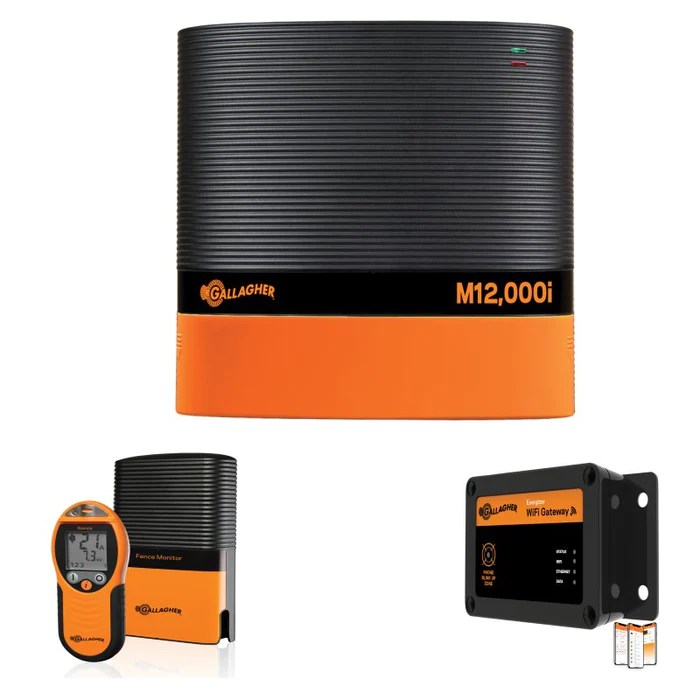
These are the stallions of the energizer world, drawing power directly from your ranch’s electrical supply. They’re reliable, consistent, and you don’t have to worry about them running out of juice, as long as your bills are paid and the grid’s up. Ideal for permanent installations where power is readily available, mains-powered energizers can keep a steady current flowing through miles of fencing without breaking a sweat.
Battery-Powered Energizers
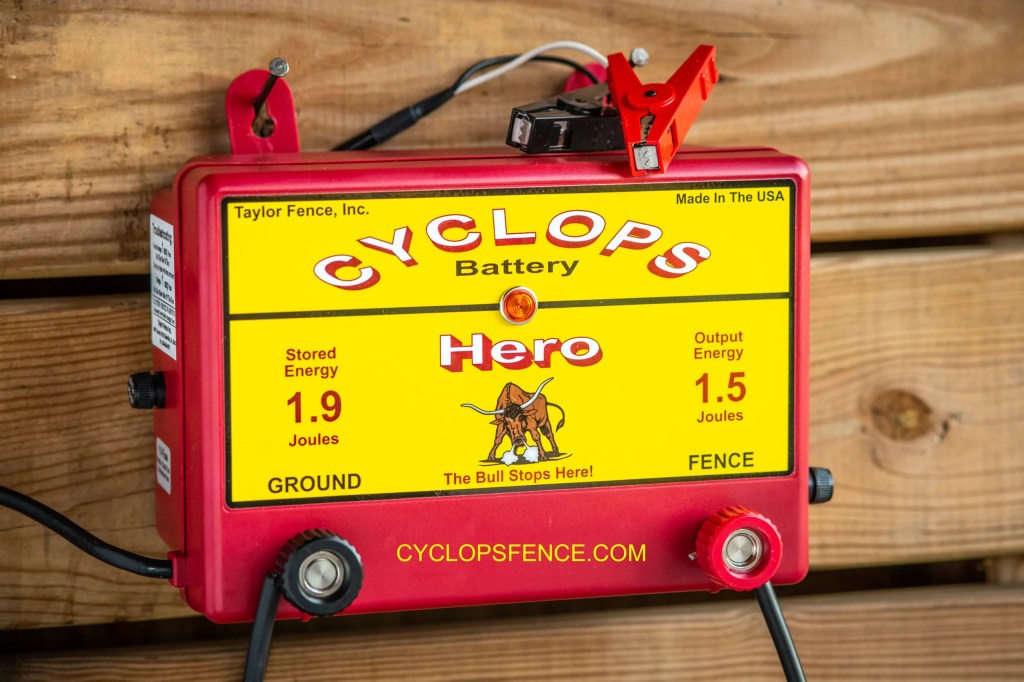
Now, these are your rugged, dependable quarter horses. Battery-powered energizers are perfect when you’re fencing off remote corners of your property where the electrical grid can’t reach. They’re also handy for portable setups, like when you need to rotate grazing areas. You’ll need to keep an eye on their battery levels, though—just like making sure your horse is well-fed and watered. Some models can be hooked up to solar panels for a bit of extra kick and independence from the grid.
Solar-Powered Energizers
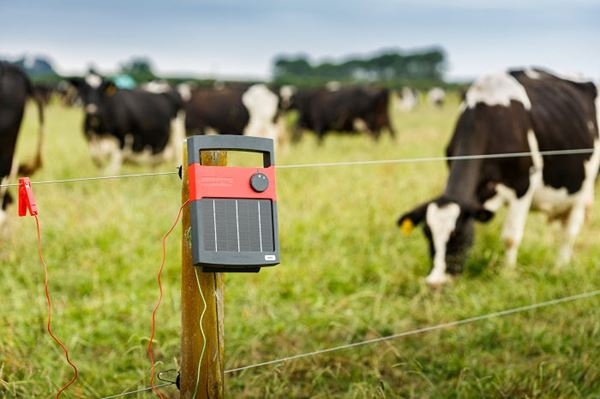
Speaking of solar, let’s talk about the mustangs of the energizer family—wild, free, and powered by nothing but the sun. Solar-powered energizers are fantastic for remote areas under the big, open sky, where dragging a power line or constantly swapping batteries would be as practical as herding cats. They come with built-in solar panels that charge a battery, ensuring the fence stays hot even when the sun goes down. Just make sure they’re placed where they can get plenty of sunlight, free from the shadow of mountains or tall trees.
Choosing Your Energizer
Deciding on the right type of energizer is a bit like choosing the right horse for a day’s work—it all comes down to the job at hand. Consider the length of your fence, the type of animals you’re dealing with, and how remote the location is. Mains power offers reliability for fixed installations, battery power gives you flexibility and portability, and solar power brings independence and eco-friendliness to your fencing needs.
Remember, partners, the goal is to keep your fence pulsing with just the right amount of kick to protect your land and livestock. Whether you choose the steadfast reliability of mains power, the rugged independence of battery power, or the wild freedom of solar energy, make sure it’s got the guts to go the distance. Just like picking the right horse for a long ride, selecting the right energizer will keep your electric fence working hard from dawn till dusk, no matter what challenges come its way.
The Wire: Your Electric Lasso
Alright, let’s dive a bit deeper into the world of electric fence wires, or as we like to call them, electric lassos. Just like the variety of ropes and lassos in your barn, each type of wire, rope, or ribbon serves a specific purpose on your land. Let’s round ’em up and see what each one brings to the corral.
Steel Wire
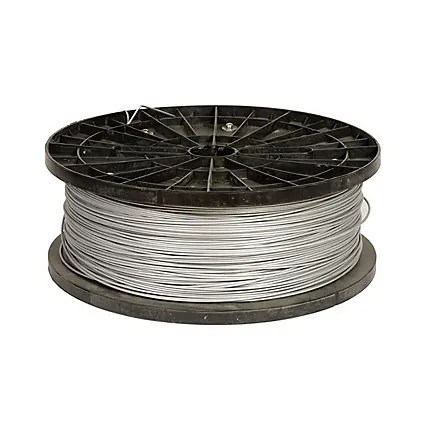
This is the heavyweight champion of electric fence wires. Think of it as the sturdy rope you’d use to tie down something that’s not planning on moving anytime soon. Steel wire is known for its durability and excellent conductivity, making it the go-to choice for permanent fencing solutions. It’s like the trusty old lasso that’s been through a hundred rodeos—it won’t let you down. Best suited for containing or deterring larger, tougher animals, steel wire can take a beating from the elements and still stand strong.
Polywire

Now, polywire is where things get interesting. It’s a blend of conducting wires and polyethylene threads, making it visible and lightweight but still plenty tough. This is your go-to for temporary fencing or for animals that are a bit more skittish and need a clear visual barrier as well as a physical deterrent. It’s like that brightly colored rope that’s hard to miss, making it clear where the boundaries lie.
Polytape
Polytape takes visibility to the next level. It’s broader and flatter than polywire, making it the most visible type of electric fencing material. This is especially useful for horses, who are more likely to respect a fence they can see clearly. Polytape is like the wide, flat lasso that’s not only good for catching but also makes it obvious to everyone around just where the line is drawn.
Polyrope

Last but certainly not least, we have polyrope. This is a thicker, stronger version of polywire, combining the visibility and flexibility of polywire with added strength for more permanent applications where visibility remains a priority. Think of it as the heavy-duty rope in your barn that’s both noticeable and reliable, capable of holding back even the most determined animals.
Choosing Your Electric Lasso
Choosing the right type of wire for your electric fence is like picking the perfect lasso from your collection—it’s all about knowing what you’re trying to catch and how best to hold it. Steel and aluminum wires offer durability and conductivity for permanent or semi-permanent setups, while polywire, polytape, and polyrope bring visibility and flexibility to the table, ideal for temporary fencing or for animals that need a clearer boundary.
Each type of wire, rope, or ribbon has its place on the ranch, depending on your specific needs. Whether you’re keeping in cattle with the toughness of steel, guiding horses with the visibility of polytape, or setting up a quick temporary pen with polywire, making the right choice will keep your ranch running smoothly and your animals safe and sound.
The Posts: The Spine of Your Fence
Just as a cowboy needs a strong backbone to face the day’s challenges, your electric fence needs sturdy posts to stand tall and firm. These posts are more than just sticks in the ground; they’re the foundation that supports your electric lasso, ensuring it stays where it needs to be. Let’s saddle up and take a closer look at the different types of posts you might plant on your land.
Step-In Posts (Plastic and Metal)
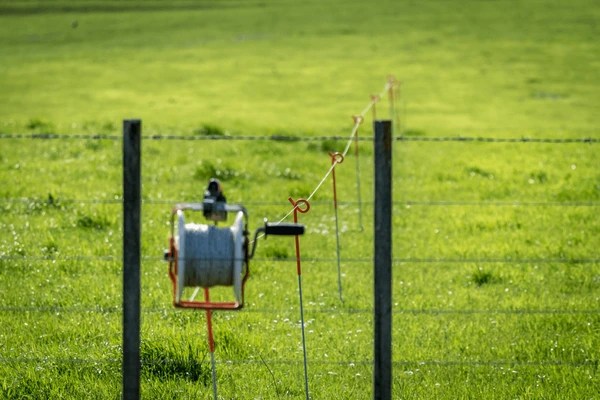
Think of step-in posts as the quick-draw artists of the fence post world. They’re lightweight, portable, and, as the name suggests, you can step them into the ground with minimal effort. Perfect for temporary setups or for moving grazing areas around.
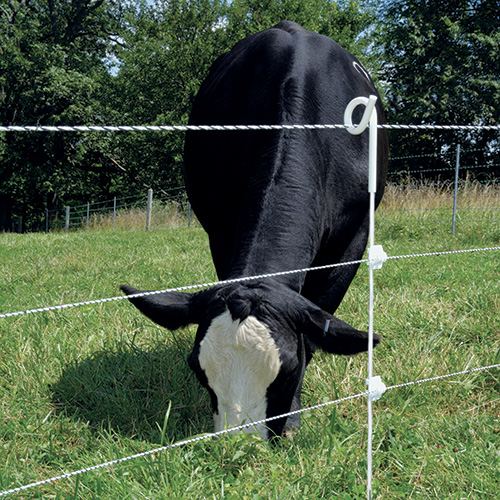
- Plastic Step-In Posts: These are like your flexible, easygoing ranch hands. They’re lightweight, resistant to weather, and won’t rust. Best used for lighter-duty tasks or where visibility and portability are key.
- Metal Step-In Posts: A bit tougher and more durable than their plastic counterparts, metal step-ins can handle a bit more tension and are suitable for areas with higher animal pressure. Just watch for rust over time, especially if you’re working land near water or in more humid climes.
Fiberglass Posts
Fiberglass posts are the silent, strong type. They’re lightweight, incredibly durable, and won’t conduct electricity, making them an excellent choice for electric fencing. These posts can take a beating from both the weather and the livestock without bending or breaking, and they’ll last years without needing replacement. It’s like having a reliable, steadfast horse that’s always ready to go, no matter the conditions.
Wooden Posts

Wooden posts are the old reliables of the fence post world. They’ve been used for centuries for a good reason. Suitable for both permanent and semi-permanent fences, wooden posts are sturdy, can handle a lot of tension, and blend well with the natural landscape. However, they require a bit more work to install (think post-hole digging and sometimes concrete), and they can be susceptible to rot and pests over time. But with proper treatment and maintenance, they’re as steadfast as an old family horse that’s been through thick and thin with you.
Metal Posts
Metal posts are the workhorses of the fence post family. Typically made from steel or aluminum, they offer unmatched durability and strength. They’re ideal for permanent fencing where you need something that can withstand high tension, severe weather, and the test of time. However, they do require insulators to prevent shorting out your fence, and they’re more permanent and less forgiving than other types. Metal posts are like the seasoned ranch hand who knows the land inside and out—tough, reliable, and always there when you need them.
Choosing Your Posts
Picking the right type of post for your electric fence is a lot like choosing the right tool for a job or the right horse for a day’s work. Each type has its advantages and ideal uses:
- Step-In Posts for flexibility and easy movement,
- Fiberglass Posts for durability without conductivity,
- Wooden Posts for natural strength and aesthetics, and
- Metal Posts for ultimate durability and support.
Consider the needs of your land, the type of animals you’re working with, and how permanent you want your fencing to be. Mix and match types for corners, gates, and stretches of fence line to create a setup that’s as tough, reliable, and hardworking as you are. Just like a well-organized ranch, the right combination of posts can make all the difference in keeping your electric fence standing strong.
The Peacekeepers: Insulators
Insulators play a crucial role in your electric fence setup, acting as the peacekeepers that prevent the electric current from taking a shortcut through the posts to the ground, instead of zapping those critters or intruders. These components are designed to be non-conductive, ensuring the electric shock is delivered exactly where it needs to be. Let’s saddle up and take a look at the different types of insulators you might need, depending on the materials and setup of your electric fence.
Materials
Insulators can be crafted from various materials, each chosen for its insulating properties and suitability for different environments. Common materials include durable plastics, porcelain, fibreglass, or nylon. These materials are selected for their ability to withstand weather conditions, UV exposure, and the electrical demands placed on them.

Types of Insulators
- Screw-In Insulators: Ideal for wood posts, these insulators screw directly into the post, providing a firm and secure hold. They are a popular choice for permanent installations where durability and longevity are key.
- Clip-On or Slip-On Insulators: Designed for use with fiberglass posts or even chain link fences, these insulators easily attach without the need for tools. They’re perfect for quick installations or where you might need to move or adjust the fence line.
- Nail-On Insulators: Quick to install, nail-on insulators are hammered directly into wood posts. They offer a secure fit that’s difficult to dislodge, making them a solid choice for many fencing projects.
- Strain Insulators: Used primarily at corners, ends, or gates where the wire is under tension, strain insulators help manage the physical forces on the fence and maintain a consistent electric barrier.
How Many Do You Need?
The number of insulators you’ll need is generally determined by the number of wire strands in your fence and the spacing of your posts. Each line post will need one insulator per wire strand, and corner or strain posts might require additional insulators to manage tension and maintain effective insulation.
Maintenance Tips
Insulators require regular checks for cracks, loosening, or dirt build-up that could compromise their insulating properties. It’s wise to keep extra insulators on hand for quick replacements to ensure your fence remains effective and safe. Regular cleaning and timely replacement of damaged insulators are key to maintaining the performance and reliability of your electric fence.
In selecting the right insulators for your electric fence, consider both the type of posts you’re using and the specific needs of your fencing project. The right insulators will not only extend the life of your fence but also ensure it functions efficiently to keep your property safe and secure.
Top of Form
Ground Control to Major Tom: Grounding Systems
Proper grounding is essential for an electric fence to work effectively. It’s what completes the electrical circuit and ensures the shock is delivered when an animal touches the fence. Here’s a roundup of what you need to know about grounding your electric fence, tailored to different soil types and conditions.
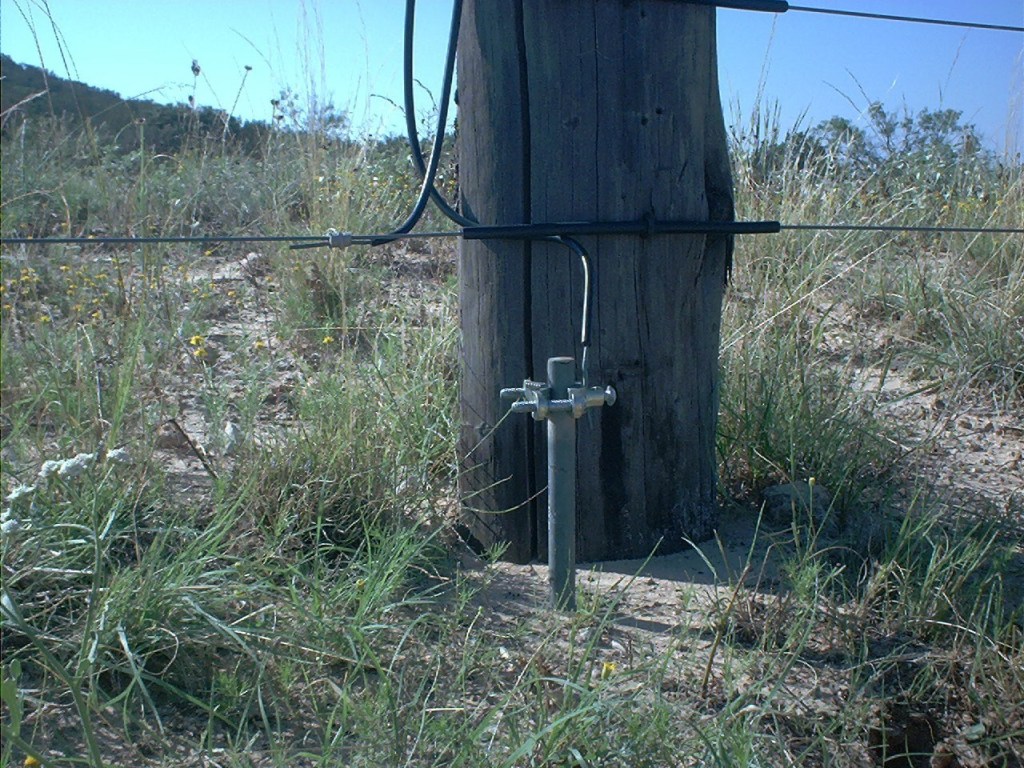
Grounding Basics
An effective grounding system typically includes two or three grounding rods spaced about ten feet apart, near the beginning of the fence. These rods should be six or eight feet high and made of durable materials like hardened steel to withstand forceful installation into the ground. The system’s effectiveness is directly related to the soil’s conductivity; therefore, in areas with dry or rocky soil, additional ground rods might be necessary.
Factors Affecting Grounding
- Energizer Output: The larger the energizer’s output, the more grounding rods you’ll need. A general guideline is to install a minimum of 3 feet of ground rod per joule of output from the energizer.
- Soil Conductivity: Soil types affect conductivity. Sandy or rocky soils offer more resistance and might require an alternative grounding approach, such as an earth return system where alternate wires in the fence are used as ground wires.
- Moisture Content and Soil Type: Soils with higher moisture content conduct electricity better. Thus, areas with low moisture content or frozen soil will increase electrical resistance. Organic soils with high moisture content are ideal for grounding.
Grounding in Challenging Conditions
For dry, rocky, or sandy soils, consider the following adjustments:
- Install Multiple Ground Rods: In conditions where the soil is not conducive, adding more grounding rods can help. They should be placed 10 feet apart, at least 50 feet from any other ground systems, and 50 feet from your energizer.
- Choose Better Locations: Ground systems perform best in damp soil. Look for areas along your fence line that stay moist throughout the year.
- Alternative Ground-wire Systems: In certain setups, using a two-wire system, where the animal touches both a charged wire and a ground wire at the same time, can be effective. This setup helps in completing the circuit, especially in less conductive soils.
Maintenance and Testing
Just like a seasoned cowboy checks the skies and the land before deciding when to drive the herd, you’ve gotta keep a sharp eye on your electric fence’s grounding, come rain or shine. Make it a part of your ranch routine to test the grounding when the season changes from dry dust to mud and back again. This way, you’re making sure your electric fence ain’t just for show and can pack a wallop when it needs to.
Think of your fence like a lasso. If it ain’t tied off right, it won’t hold. Your grounding rods are like the knots in your lasso; they need to be set deep and spaced just so, depending on whether you’re working with ground as hard as a miser’s heart or as soft as spring mud. And just like adjusting your grip based on the steer you’re roping, you might need to drive in a few more rods when the ground’s as dry as a tall tale to keep that circuit closed tight.
In a nutshell, getting your fence’s grounding right ain’t just important—it’s everything. The setup, with the rods driven into the earth and their spacing, along with how well the ground conducts, decides if your fence is a paper tiger or the real deal. And since the land doesn’t stay the same, neither should your fence. Keep tweaking, testing, and adjusting, ensuring that your electric barrier does its job: keeping your livestock corralled and the varmints out. Just remember, a good cowboy keeps his tools sharp and his wits sharper. That way, your electric fence will always be ready for whatever the wild frontier throws at it.
So there you have it, partner—the lay of the land when it comes to electric fencing. Whether you’re drawn to the brute strength of Cyclops, the cutting-edge innovations of Gallagher, the affordability of Patriot, the high-power reliability of Speedrite, or the cost-effective simplicity of Fi-Shock, there’s a brand out there that’s the perfect sidekick for your ranching adventures. Remember, the best brand for you is the one that meets your specific needs, fits your land, and keeps your animals safe and sound. Happy fencing, and may your pastures always be green!
Link to my previous post https://smolikgary.wordpress.com/2024/03/20/electric-fencing/
 Powering Pastures
Leave a comment