
Selecting the right electric fence energizer is an art form, much akin to picking the perfect horse for the day’s work. It’s a balance of science and intuition, of understanding your needs and the land you work. Just as you wouldn’t pick a Shetland pony for herding cattle or a racehorse for tilling fields, choosing the right energizer—be it a Gallagher, Speedrite, or another trusty brand—requires a thoughtful approach. Let’s dive into this with a blend of cowboy logic and practical advice to ensure you select the best tool for the job at hand.
Understand Your Needs
1. Survey Your Land: Knowledge of your terrain is as crucial as a map before a long journey. Large expanses call for the robust power of a mains Gallagher, while more confined or distant plots may find a better partner in the portability of a Speedrite battery energizer.
2. Know Your Animals: The beasts you’re managing dictate the force needed. The thick-skinned and headstrong might require the firmer persuasion of a high-joule unit, while smaller or gentler creatures fare better with a lighter touch.
3. Power Sources: Your location’s accessibility to power sources can narrow down your choices. Remote as a moonshiner’s hideout? A solar-powered Gallagher could be your ace in the hole.
Evaluating the Options
Mains-Powered Energizers (Gallagher):
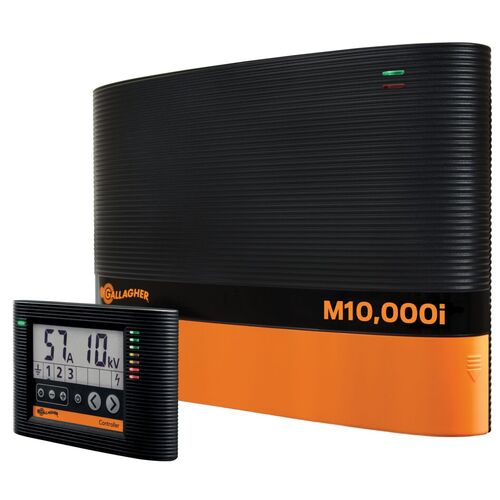
- Pros: Reliable as the sunrise, these units offer steady power, suited for stationary setups where electricity is a given.
- Cons: Immobile as an old oak, they’re not suited for changing landscapes or areas prone to power cuts.
- Best for: Vast, permanent installations with dependable power access.
Battery-Powered Energizers (Speedrite):
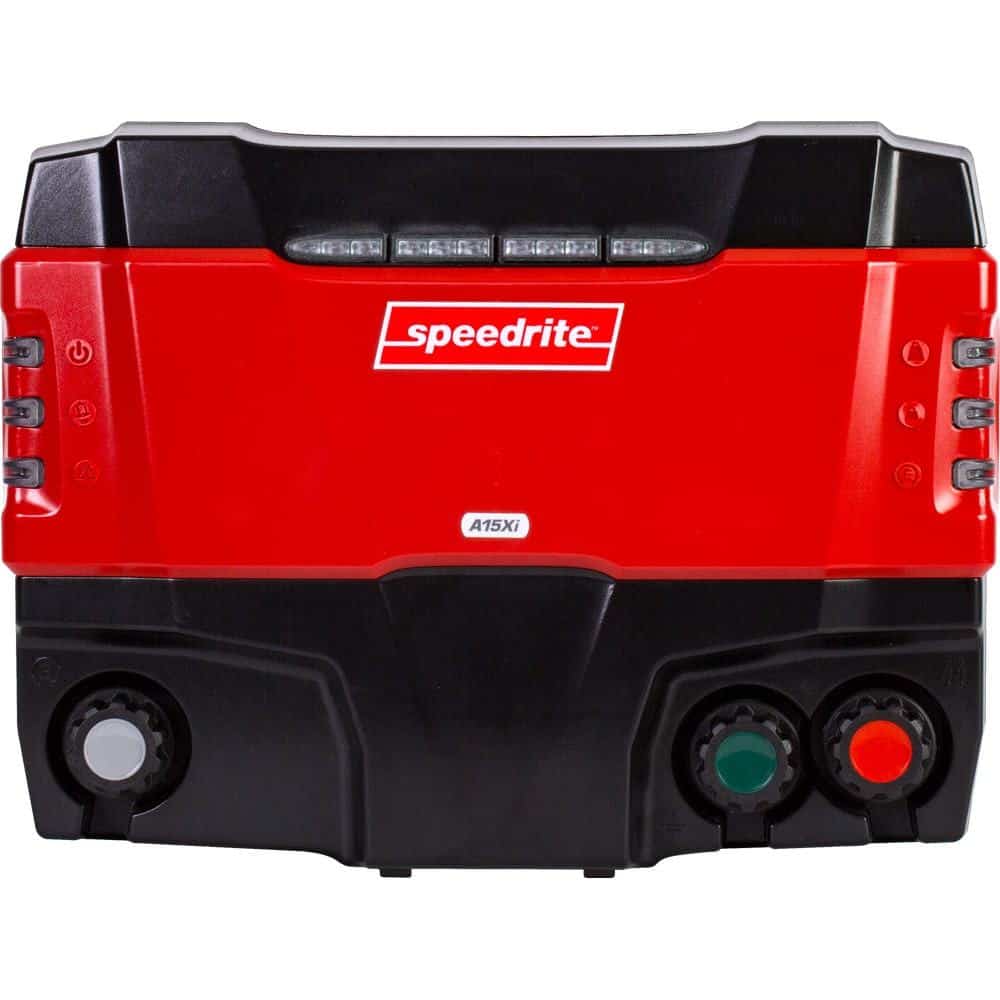
- Pros: As handy as your favorite knife, these portable units are perfect for adaptable fencing needs.
- Cons: Require regular battery swaps or charges, akin to the upkeep of a trusty steed.
- Best for: Smaller areas, temporary setups, or locales where mains power is as rare as rain in a drought.
Solar-Powered Energizers (Gallagher):
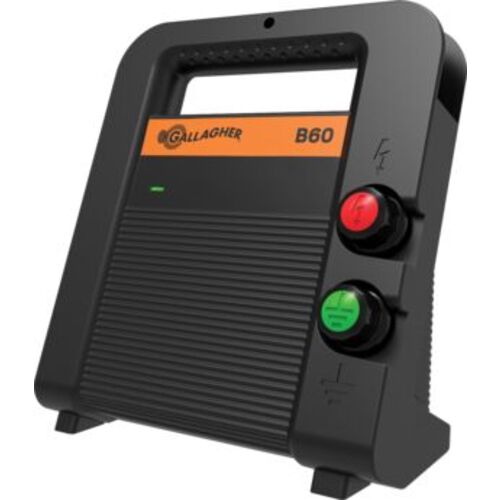
- Pros: Independent as a cat, they harness the sun to keep the fence lively without the need for external power or frequent battery changes.
- Cons: Their efficacy wanes without ample sunlight, as fickle as spring weather.
- Best for: Remote or off-grid spots where sunshine is abundant, and traditional power sources are as hard to come by as a cool breeze in July.
Making Your Selection
1. Consider the Long Haul: Like picking out a pair of boots, the durability and reliability of the energizer matter. Sometimes, investing a bit more upfront can save you from being left in the lurch down the line.
2. Weigh the Costs: Look beyond the sticker price. Battery and solar options might offer savings on operational costs, but factor in the price of battery replacements and maintenance.
3. Check the Features: Modern energizers come with various bells and whistles, from remote monitoring to adjustable shock levels. Determine which features are necessities versus nice-to-haves.
4. Warranty and Support: Seek out a brand with support as steadfast as a loyal dog. A solid warranty and responsive customer service can prove invaluable.
5. Reviews and Recommendations: Don’t rely solely on manufacturer claims. Scour reviews and solicit advice from fellow ranchers. Real-world insights are as valuable as a secret fishing spot. By taking a methodical approach, blending cowboy sense with modern know-how, you can select an electric fence energizer that suits your needs, secures your livestock, and doesn’t cause undue hassle. Remember, the ideal choice fits your situation as perfectly as a well-worn glove, ensuring peace of mind and a well-kept ranch.

 Powering Pastures
Leave a comment